Section outline
-
The microbiomes in urban forests influence human health in direct and indirect ways (2). From immune system modulation to mental health benefits, these interactions underscore the necessity of preserving and enhancing urban forest microbiomes (7,9).
Positive impact on human health
· Immune system regulation and support.
Exposure to diverse environmental microbes from urban forests helps training the human immune system to differentiate between harmful and harmless agents (12). Studies have revealed that exposure to biodiverse forests soil can reduce urban associated chronic disease such as asthma, allergies and inflammatory diseases. Specific microbes, such as Mycobacterium vaccae, have been linked to immune regulation and even mood enhancement (2,7).
· Enhancing gut microbiota
Contact with soil and forest environments influences the composition of the human gut microbiome. Healthy urban forest soils harbor beneficial microbes that can colonize the human gut, promoting metabolic health and reducing inflammation (7, 12).
· Mental health and psychological well-being
Time spent in urban forests has been shown to reduce stress and anxiety, improve mood, and promote cognition. Part of these benefits can be attributed to interactions with microbial communities that influence neurobiological responses, such as the release of serotonin-modulating compounds (8,4).
· Pathogen suppression and detoxification
The microbiomes in forest soils can degrade harmful organic pollutants, such as pesticides and hydrocarbons, and suppresses soil-borne pathogens. This reduces the potential for contamination in urban water supplies and minimizes exposure to harmful elements (5, 12).
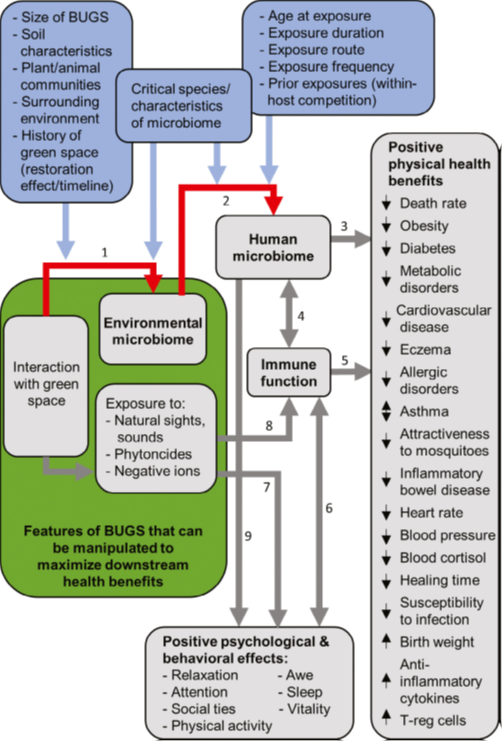
Image 2. Studies emphasize the potential of biodiverse green spaces (BUGS) to alleviate urban health challenges by exposing people to a diverse array of environmental microorganisms, enhancing immune system regulation and reducing chronic inflammatory diseases. BUGS*- Biodiverse urban green spaces (4)
Negative impact on human health Pathogenic threats
Urban forests can harbor pathogens such as fungal spores, zoonotic bacteria, and viruses. These pathogens may spread to humans and animals, leading to health issues ranging from respiratory problems to zoonotic diseases (12).
· Antibiotic resistance
Urban soils often act as reservoirs for antibiotic-resistant genes due to pollutants, including untreated wastewater and industrial runoff. These resistance genes can spread through human-environment interactions, exacerbating public health concerns (11,10)
· Interaction with pollutants
Urban microbiomes frequently interact with pollutants such as heavy metals, hydrocarbons, and pesticides. While some microbes can degrade these pollutants, others may produce harmful by-products, negatively impacting soil health and human safety (7,12)
· Allergic reactions and immune overload
Although exposure to diverse microbes generally supports immune health, certain microbial populations in urban forests may trigger allergic reactions or hypersensitivity in some individuals. High concentrations of fungal spores or pollen can exacerbate asthma and hay fever, especially in cities with reduced biodiversity (8, 12, 9).