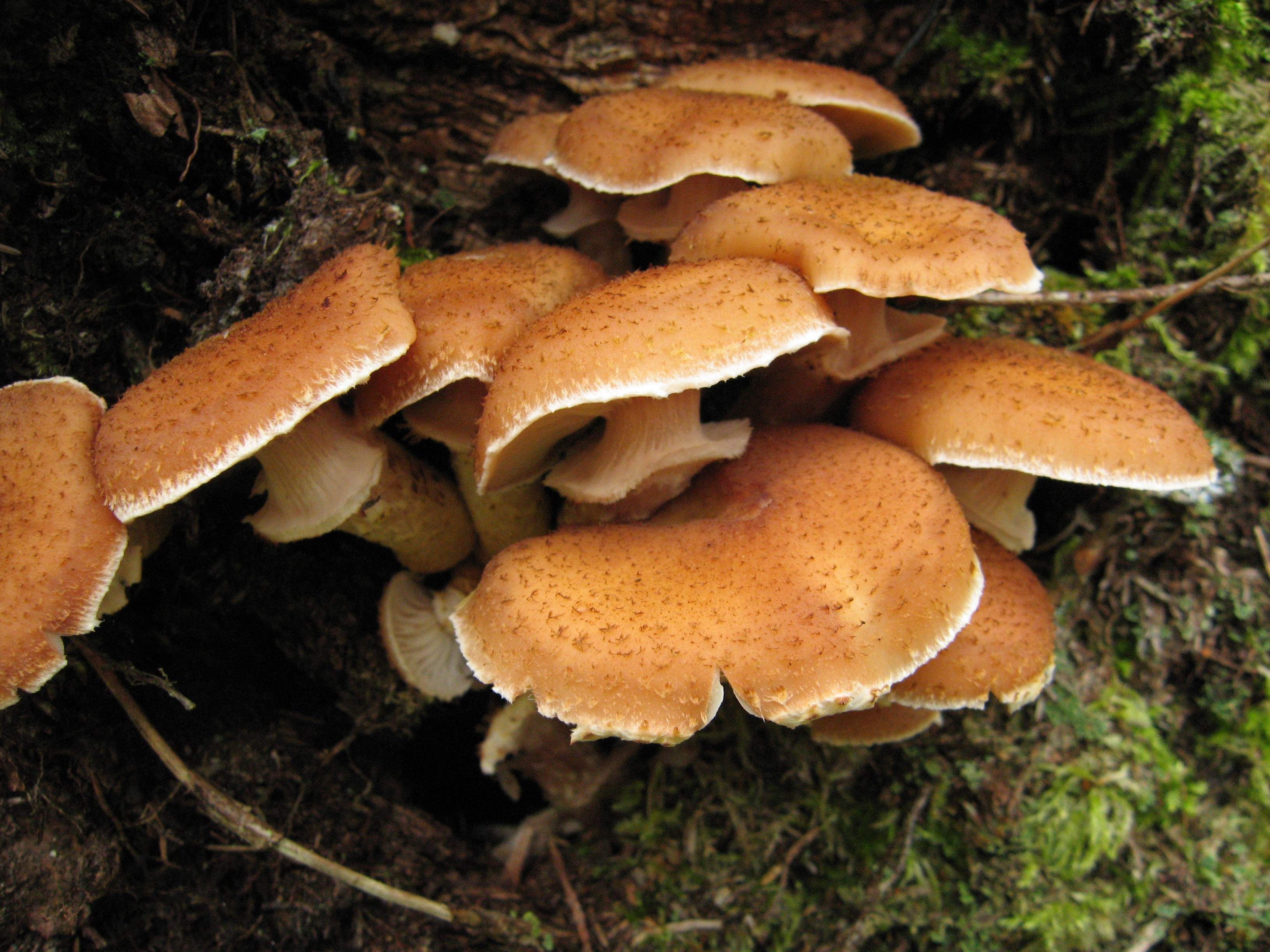
Armillaria spp., commonly known as honey fungi, are a group of pathogenic fungi that cause root rot in a wide variety of tree and shrub species. They are among the most destructive forest pathogens worldwide, capable of killing stressed trees and forming large underground networks of rhizomorphs. Armillaria species contribute significantly to tree decline in both natural forests and urban environments.
Keywords: Armillaria, root rot, honey fungus, forest pathology, tree decline
- Source: Urban Tree Guard
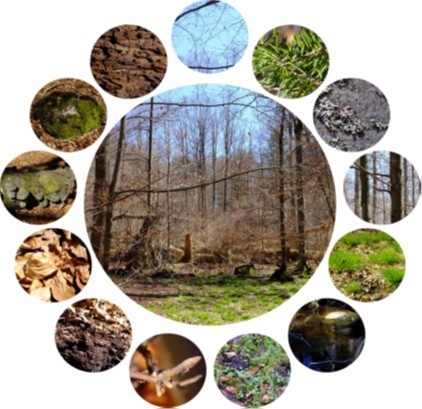
This lecture explores the role of urban forest microbiomes in biosecurity, focusing on how microbial communities associated with trees, soil, and air influence the spread and suppression of pests and pathogens. It highlights the potential of leveraging these microbiomes to enhance disease resistance, improve urban tree health, and support resilient green infrastructures.
Keywords: Urban forests, Microbiome, Biosecurity, Tree health, Pathogen suppression, Pest management
- Source: Urban Tree Guard
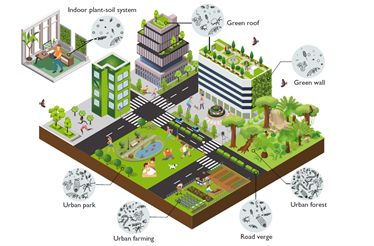
This entry examines how urban forest microbiomes—the communities of microorganisms associated with trees, soil, and air—affect human health. It highlights their roles in immune system regulation, air quality improvement, allergen exposure, and overall well-being, emphasizing the importance of biodiverse urban green spaces for public health.
Keywords: Urban forests, Microbiome, Human health, Immune regulation, Air quality, Biodiversity
- Source: Urban Tree Guard
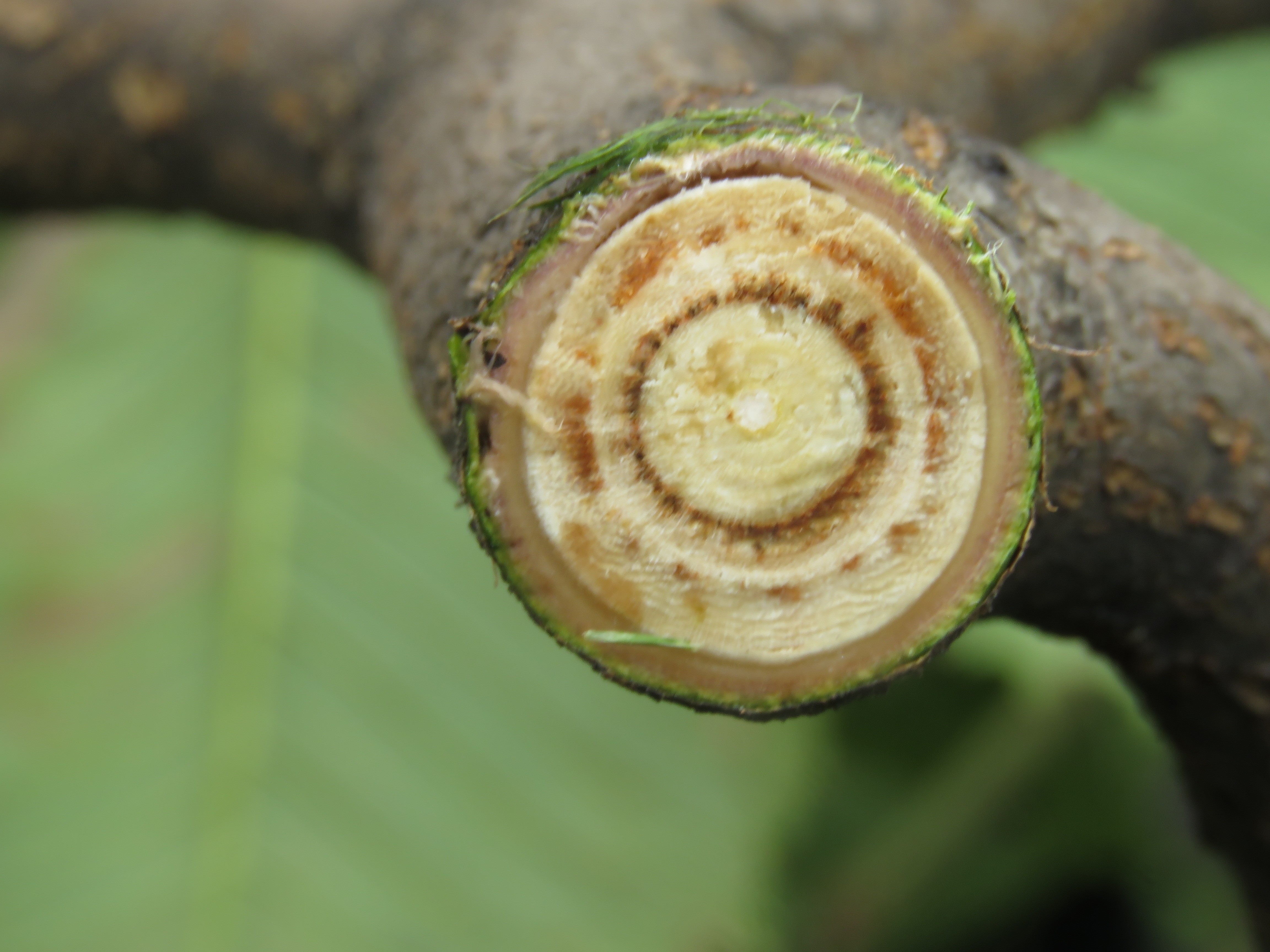
Dutch elm disease (DED) is the most devastating disease affecting elm (Ulmus) species worldwide. Caused by Ophiostoma fungi and vectored by bark beetles, it leads to wilting, branch dieback, and often tree death, posing significant ecological, economic, and urban forestry challenges.
Keywords: Dutch elm disease, Ulmus, Ophiostoma, Bark beetle, Tree pathology
- Source: Urban Tree Guard
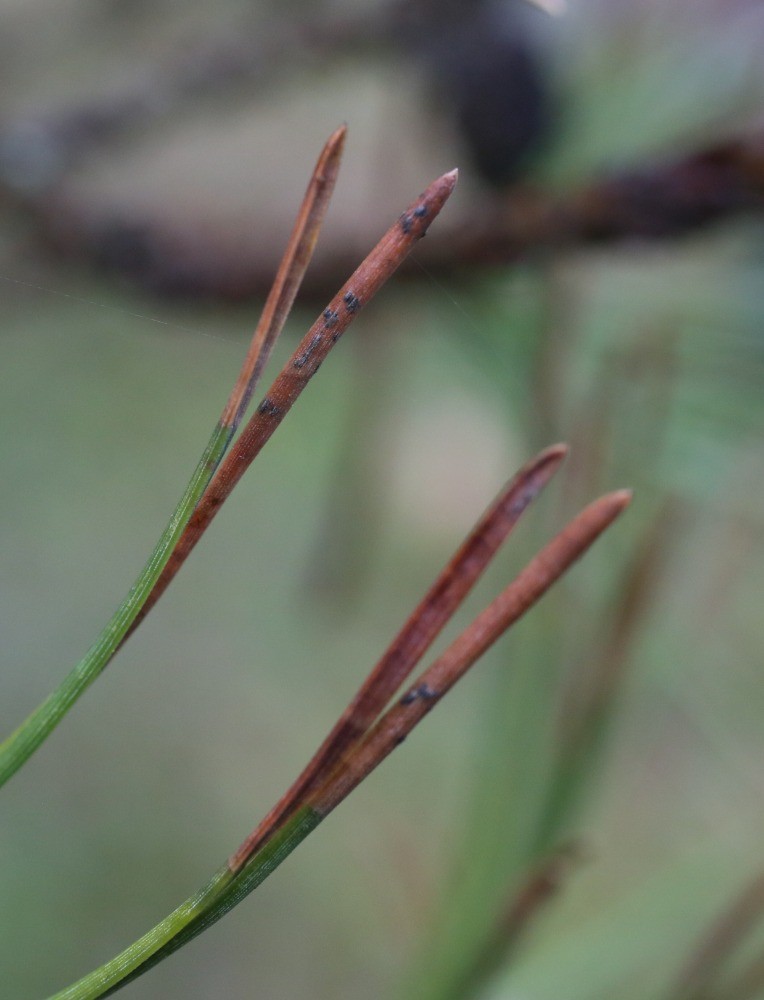
The genus Lecanosticta includes nine species, with Lecanosticta acicola being the oldest documented and most well-known. This ascomycete fungus causes brown spot needle blight (BSNB), a foliar disease affecting both native and non-native Pinus species worldwide, with significant implications for forest health and timber production.
Keywords: Lecanosticta acicola, Brown spot needle blight, Pinus, Foliar disease, Forest pathology
- Source: Urban Tree Guard
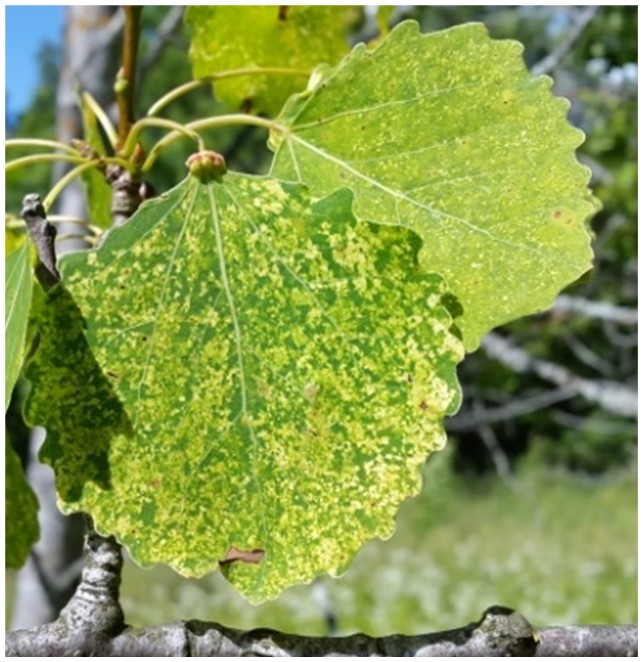
AsMaV is a typical member of the Emaravirus genus affecting Eurasian aspen and is widespread in Fennoscandia. It has been confirmed as the causal agent of mosaic disease in aspen, causing leaf mottling and chlorotic patterns, and highlighting the importance of monitoring and managing viral infections in forest trees.
Keywords: AsMaV, Emaravirus, Eurasian aspen, Mosaic disease, Forest virus
- Source: Urban Tree Guard
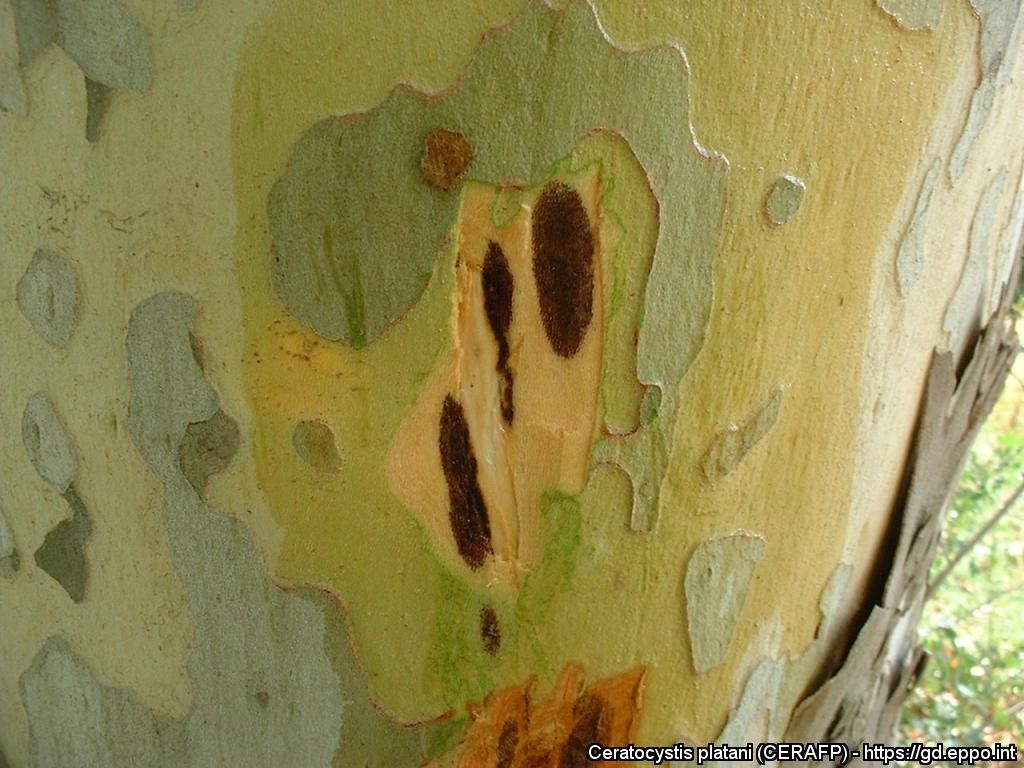
In urban settings, Platanus trees are often planted as single-species avenues or in parks. Following infection with Ceratocystis platani, early symptoms include chlorotic and wilting foliage on individual branches, sometimes accompanied by sap exudation from cracks in branch or stem bark. Recognizing these signs is essential for early diagnosis and management of canker stain disease.
Keywords: Platanus, Ceratocystis platani, Canker stain, Chlorosis, Urban trees
- Source: Urban Tree Guard
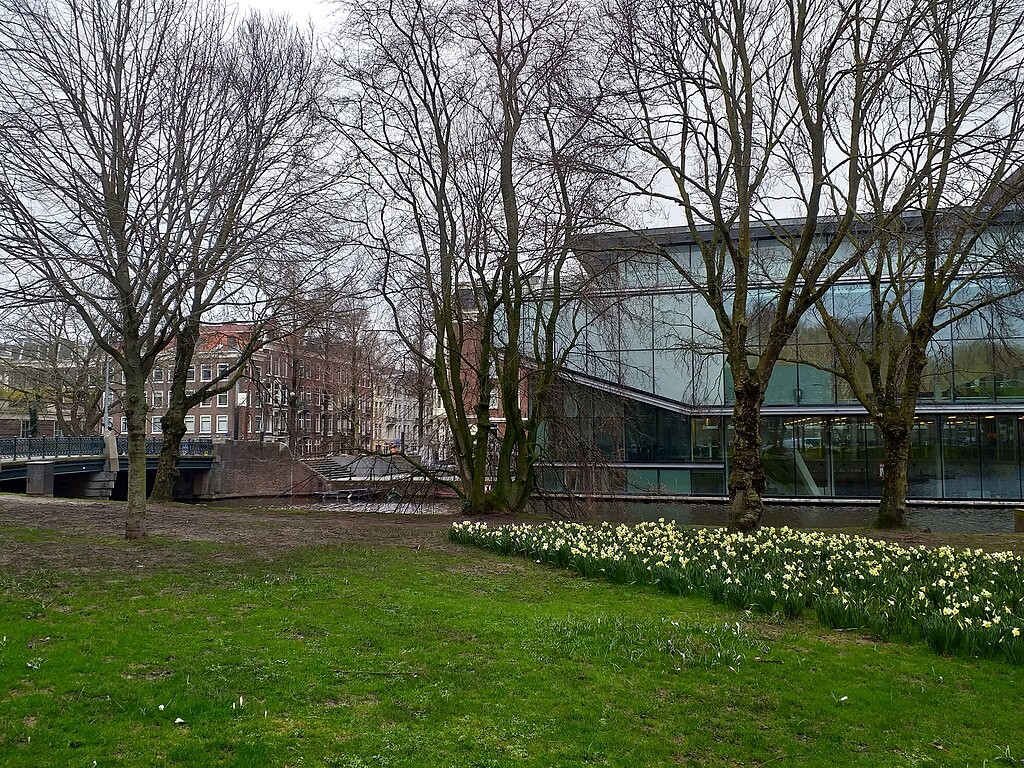
This course examines the biotic and abiotic challenges impacting urban trees and forest ecosystems. Learners will explore how pests, pathogens, climate extremes, soil conditions, and human activities affect tree health and longevity. The course emphasizes diagnosis, monitoring, and management practices that support resilient urban green spaces and sustainable forest landscapes.
Keywords: Urban forestry, Tree health, Biotic stress, Abiotic stress, Forest management
- Source: Urban Tree Guard
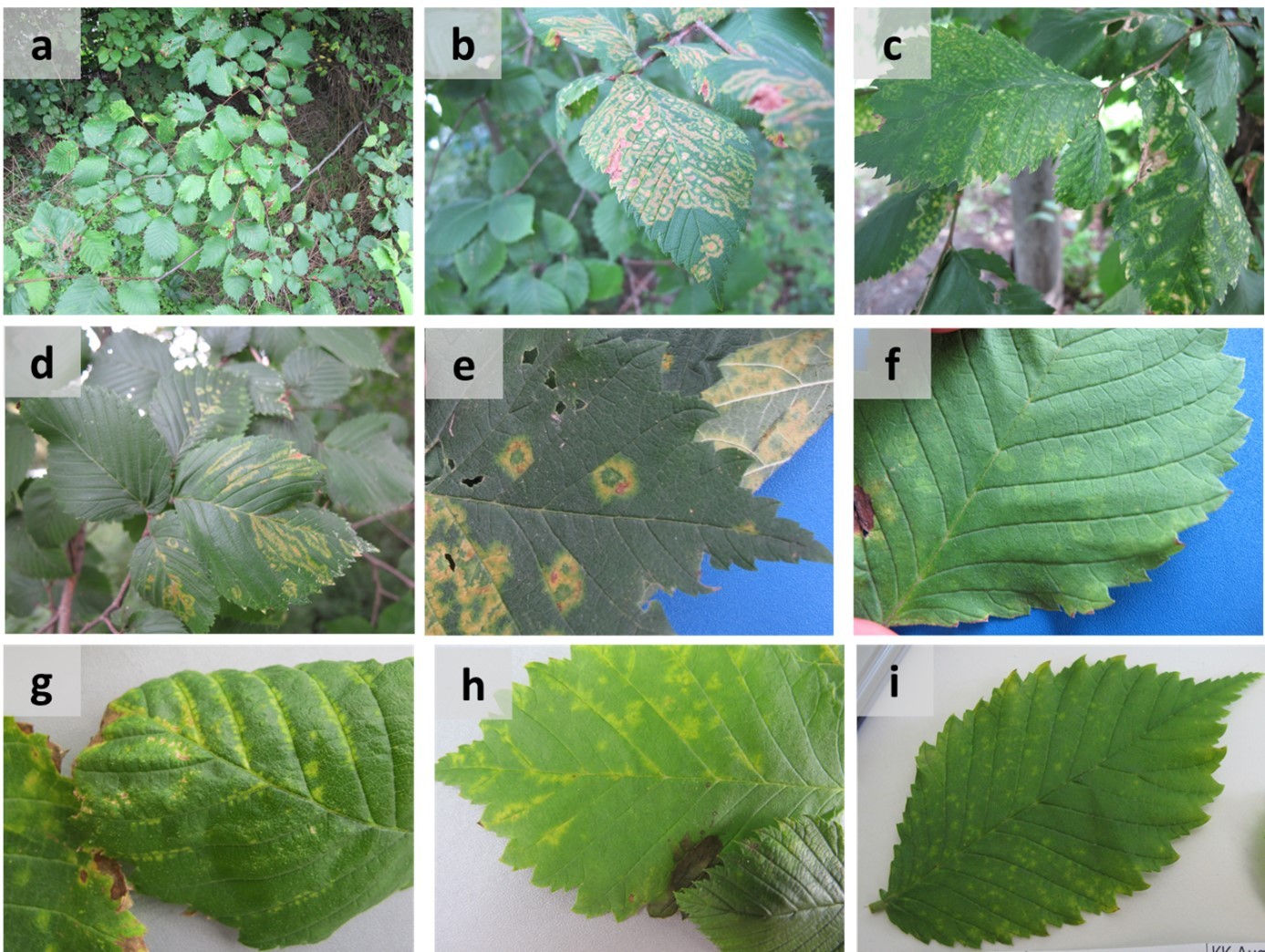
Elm carlavirus has been detected in urban forests, as well as in natural and commercial forest ecosystems. This underscores its potential impact on tree health across different environments and highlights the importance of monitoring, early detection, and management strategies to limit its spread and associated ecological and economic damage.
Keywords: Elm carlavirus, Forest health, Urban forestry, Disease monitoring, Pest management
- Source: Urban Tree Guard
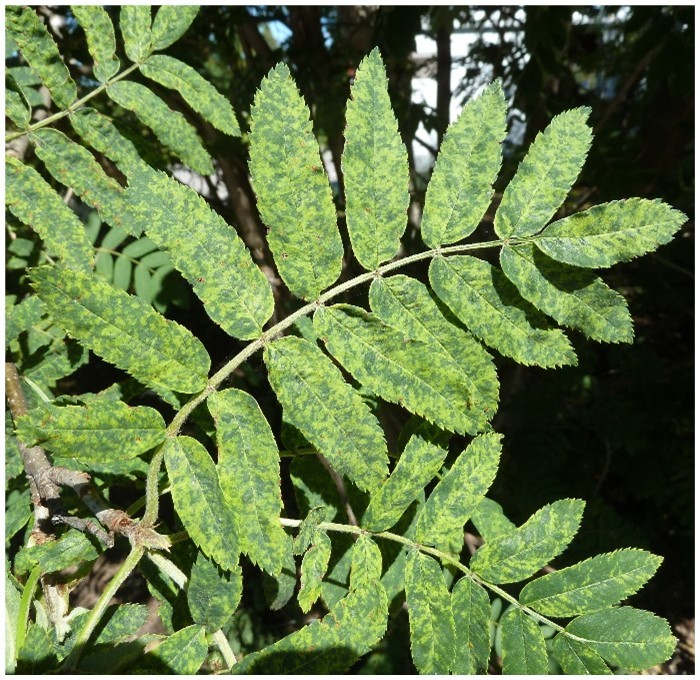
EMARaV is widespread in Europe, infecting Sorbus aucuparia (European mountain ash, syn. rowan) and causing chlorotic ringspots, mottling, and line patterns on leaves. Experimental grafting has shown that the virus can be transmitted to other Sorbus species and to related genera including Sorbaronia, Aronia, and Amelanchier, highlighting its potential host range and importance for monitoring and management in both natural and cultivated settings.
Keywords: EMARaV, Sorbus aucuparia, Leaf symptoms, Virus transmission, Host range
- Source: Urban Tree Guard