This policy brief explores emerging and innovative technologies and tools designed to enhance urban tree biosecurity. It highlights advancements in early detection, monitoring, diagnostics, and data-driven management approaches for invasive pests and pathogens. The brief emphasizes how these technologies can support proactive risk assessment, strengthen resilience, and guide informed decision-making to protect urban tree populations and maintain critical ecosystem services in European cities.
Keywords: Urban trees, Biosecurity, Emerging technologies, Early detection, Pest management, Tree health, Urban forestry
- Source: Urban Tree Guard
This policy brief provides recommendations for enhancing urban tree biosecurity across Europe. It examines current gaps in monitoring, prevention, and management of invasive pests and pathogens affecting urban forests. The brief emphasizes the need for coordinated policies, stakeholder collaboration, early detection systems, and public engagement to reduce the risk of pest introduction and spread. Practical strategies for building resilient urban tree populations and safeguarding ecosystem services are highlighted to support sustainable urban forestry.
Keywords: Urban trees, Biosecurity, Invasive pests, Forest health, Policy recommendations, Early detection
- Source: Urban Tree Guard
This policy brief examines the role of public awareness and behavior in maintaining biosecurity and protecting urban tree health across Europe. It highlights how informed citizens, stakeholders, and communities can prevent the introduction and spread of invasive pests and pathogens. The brief outlines strategies for education, outreach, and engagement to promote responsible practices, such as proper plant handling, reporting of pest outbreaks, and compliance with biosecurity measures. Emphasis is placed on integrating public participation into urban forestry management to enhance resilience and safeguard ecosystem services.
Keywords: Urban trees, Biosecurity, Public awareness, Invasive pests, Tree health, Stakeholder engagement
- Source: Urban Tree Guard
This poster presents a comparative analysis of the priorities, interests, and perspectives of practitioners and researchers working in urban forestry and tree health. It highlights areas of alignment, gaps in expectations, and opportunities for improved collaboration. The comparison aims to support more effective knowledge exchange, coordinated decision-making, and integrated approaches to urban tree management and biosecurity.
Keywords: Practitioners, Researchers, Urban forestry, Priorities, Collaboration, Knowledge exchange, Tree health
- Source: Urban Tree Guard
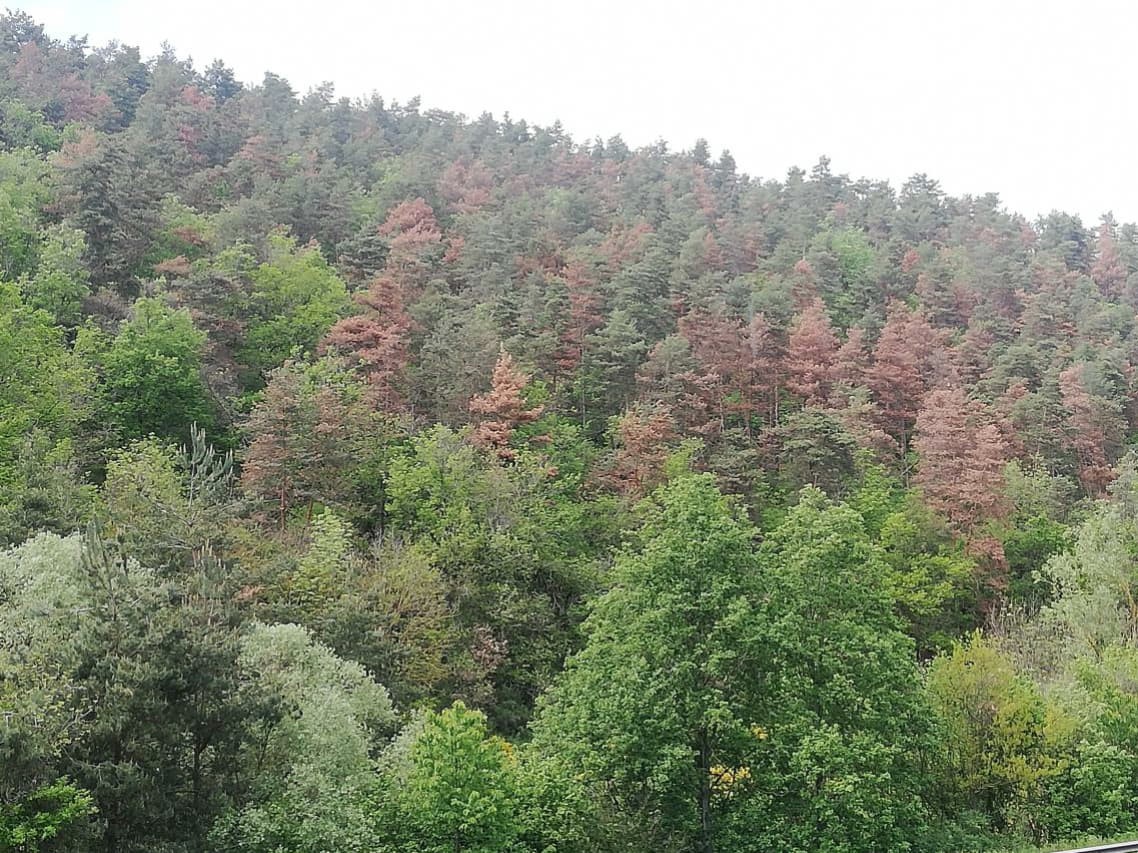
This article provides an overview of the conifer disease caused by Diplodia sapinea, a fungal pathogen responsible for shoot blight, cankers, and blue-stain in many pine species and other conifers. The pathogen typically infects weakened or stressed trees but can also affect healthy hosts under favorable conditions. Symptoms include browning of needles, dieback of shoots, resin exudation, and stem lesions. The text highlights the biology of the fungus, its infection pathways, environmental factors promoting outbreaks, and the associated impacts on forest health. Management focuses on reducing tree stress, removing infected material, and implementing preventive silvicultural practices.
Note: The original text is in French
Keywords: Diplodia sapinea, Conifer disease, Shoot blight, Fungal pathogen, Forest health
- Source: Urban Tree Guard
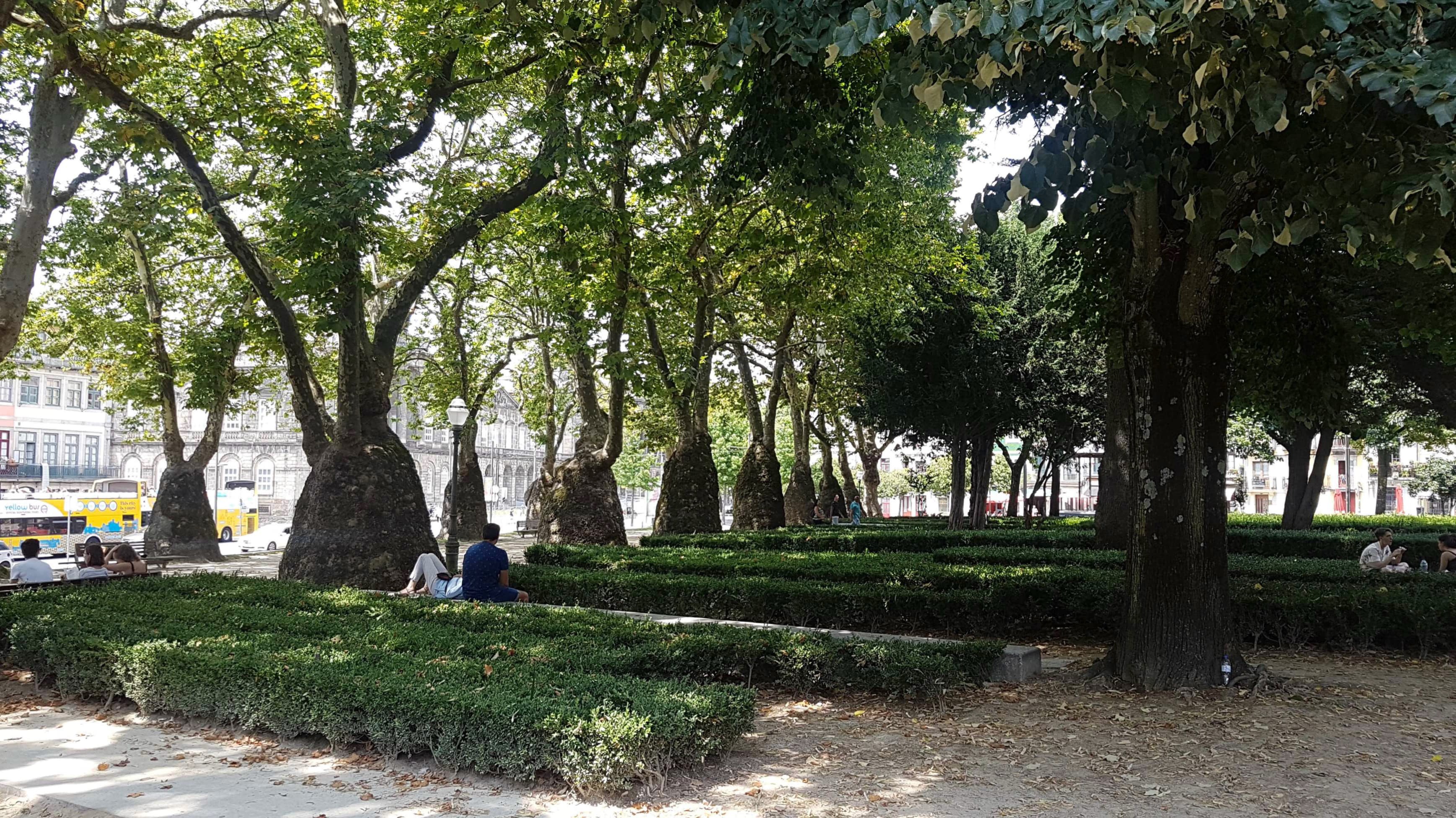
This policy brief addresses the threat posed by Ceratocystis platani, the fungus causing canker stain in plane trees, and outlines practical measures to prevent its spread. The document is structured around key sections on recommendations, prevention, and actions, providing guidance for policymakers, municipal authorities, and tree-care professionals. It emphasizes early detection, hygiene protocols, movement restrictions, and coordinated management efforts to protect vulnerable plane tree populations and maintain healthy urban green spaces.
Keywords: Ceratocystis platani, Canker stain, Prevention, Recommendations, Management actions
- Source: Urban Tree Guard
Short-Term Scientific Mission (STSM) within the COST Action Urban Tree Guard supports collaborative research aimed at improving the protection, health, and resilience of urban trees. The mission enables researchers to exchange knowledge, develop new skills, and contribute to shared methodologies for monitoring pests, pathogens, and environmental stressors in urban forest environments. Through international cooperation, the STSM strengthens scientific capacity and advances innovative approaches for safeguarding urban green infrastructure.
Keywords: STSM, Urban Tree Guard, Urban trees, Collaboration, Biosecurity
- Source: Urban Tree Guard
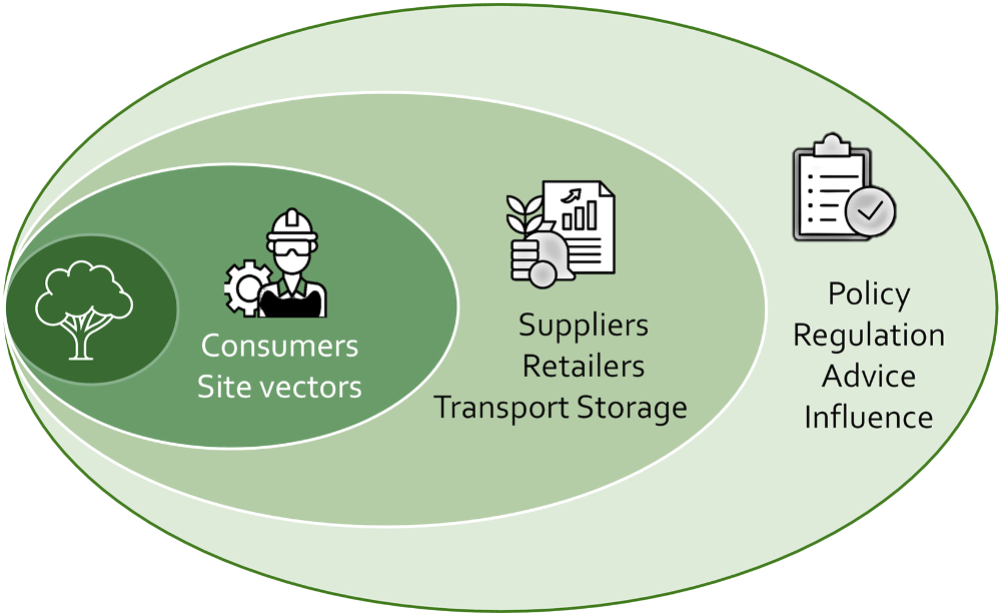
This study investigates how stakeholder perceptions, priorities, and networks influence the effectiveness of urban tree biosecurity across Europe. Using stakeholder mapping, surveys, and network analysis, the research identifies key actors, current and emerging pest threats, and the most commonly implemented biosecurity actions. Results show strong concern about several invasive pests and pathogens, highlight the importance of communication and training, and reveal that collaboration is strongest among practitioners closely involved in tree care. The study underscores the need for connected and well-coordinated stakeholders to ensure a coherent and resilient urban biosecurity system.
Keywords: Urban biosecurity, Invasive pests, Stakeholder networks, Perceptions, Europe
- Source: Urban Tree Guard
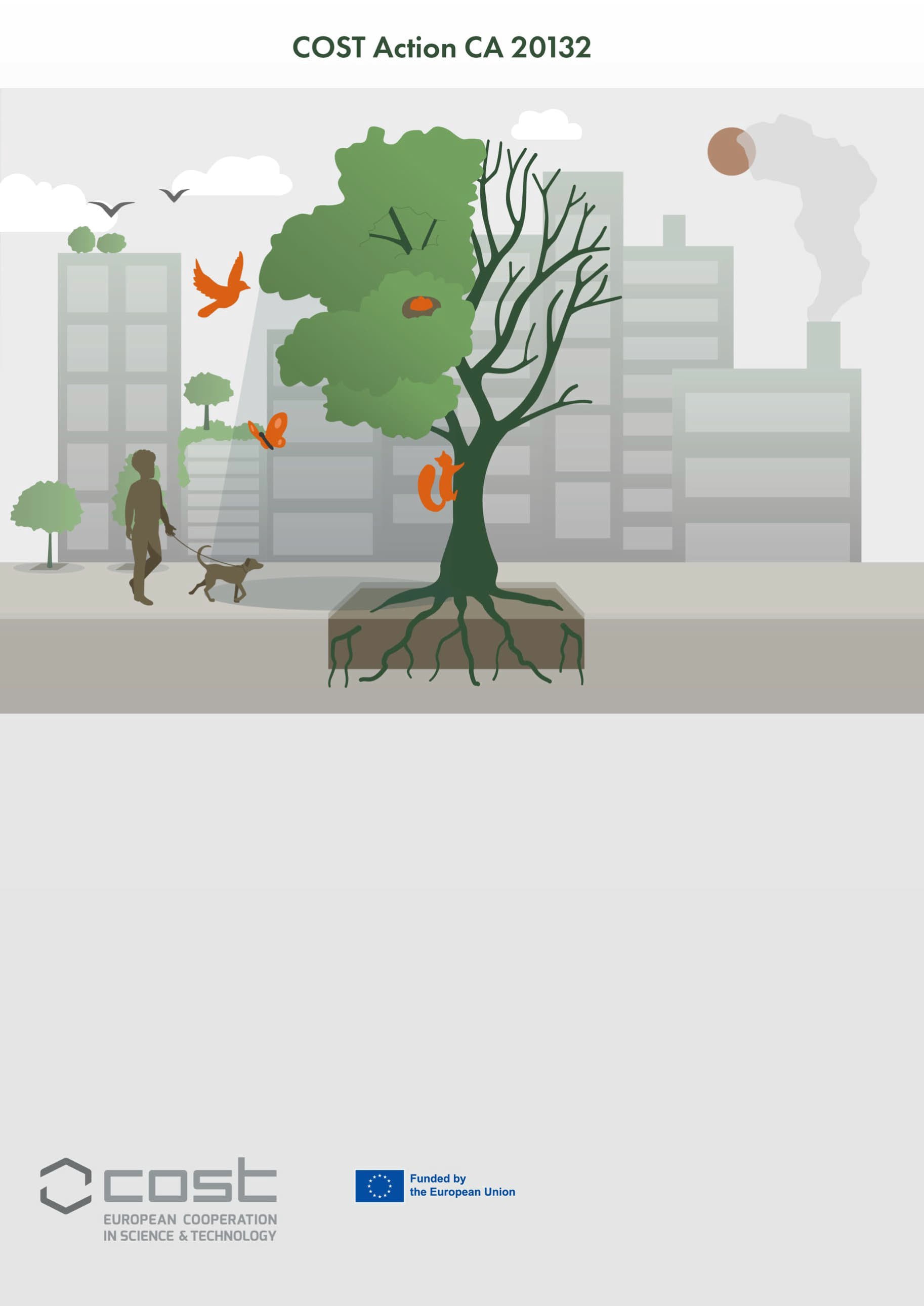
This whitepaper explores the future of biosecurity for urban trees from a One Health perspective, emphasizing the interconnected health of people, plants, animals, and the environment. It examines the increasing threats posed by invasive pests, pathogens, climate change, and urban stressors, and outlines strategies to protect Europe’s urban forests. The document highlights the importance of integrated monitoring, early detection, coordinated policy-making, and sustainable tree management practices. Its aim is to support resilient, healthy urban green spaces that contribute to ecological stability and public well-being across Europe.
Note: The Executive Summary is available in different languages
Keywords: Biosecurity, Urban trees, One Health, Invasive pests, Climate resilience
- Source: Urban Tree Guard
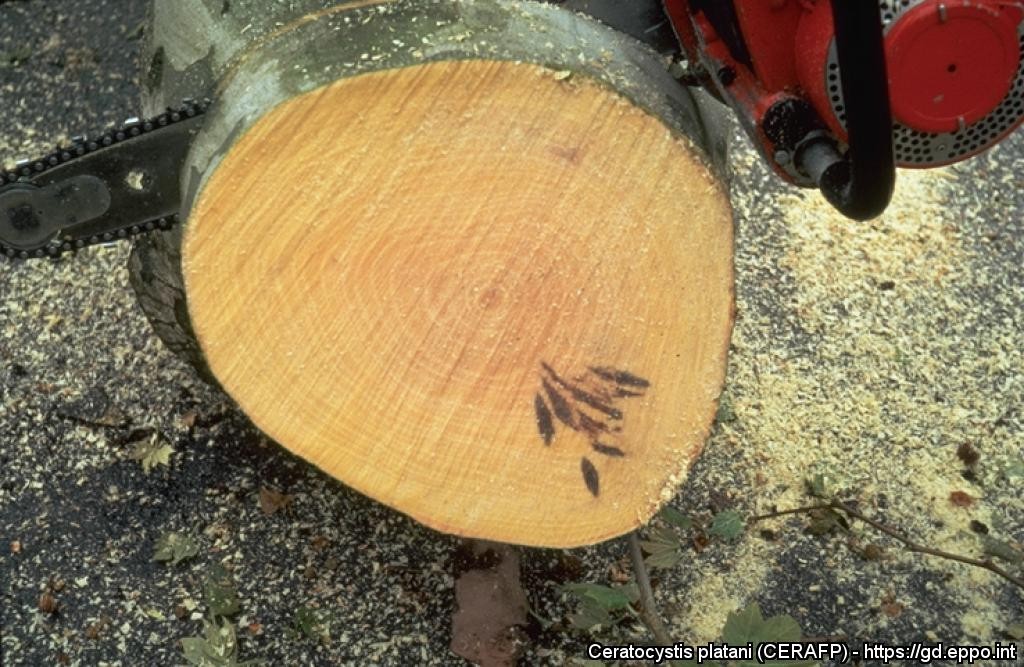
This article presents the biology of Ceratocystis platani, the fungus responsible for canker stain of plane trees, and describes its distribution within the Luberon Regional Natural Park. The pathogen enters the tree exclusively through wounds and then spreads rapidly through the vascular system and ray tissues, killing the host within 1 to 5 years.
Transmission occurs through contaminated tools and machinery, as well as naturally via running water, wind, and root grafts between neighboring plane trees. Infected trees initially show violet-blue streaks on the trunk or large branches, which later turn orange. As the lesion expands, the center dries and darkens, the bark cracks, but the margin remains bluish without forming a healing callus. Above the infection site, the foliage becomes sparse and yellowed before the entire tree eventually dies.
Eleven municipalities within the park have been affected, while five are now considered disease-free. Strict adherence to the prophylactic measures described in the current prefectural decree is essential to protect the region’s plane tree heritage from this quarantine disease.
Note: The original text is in French
Keywords: Canker stain, Ceratocystis platani, Plane trees, Disease spread, Prophylaxis
- Source: Urban Tree Guard