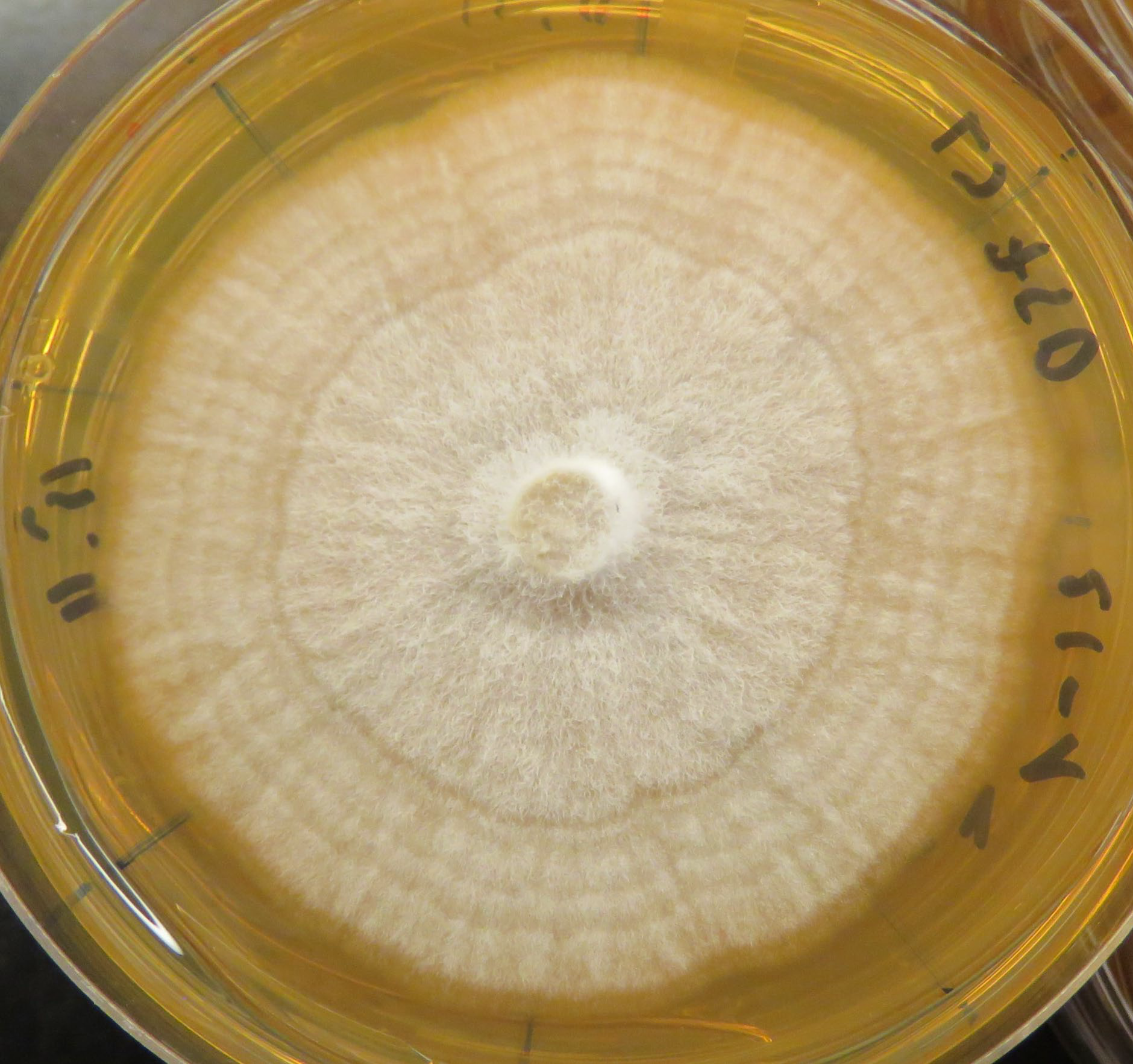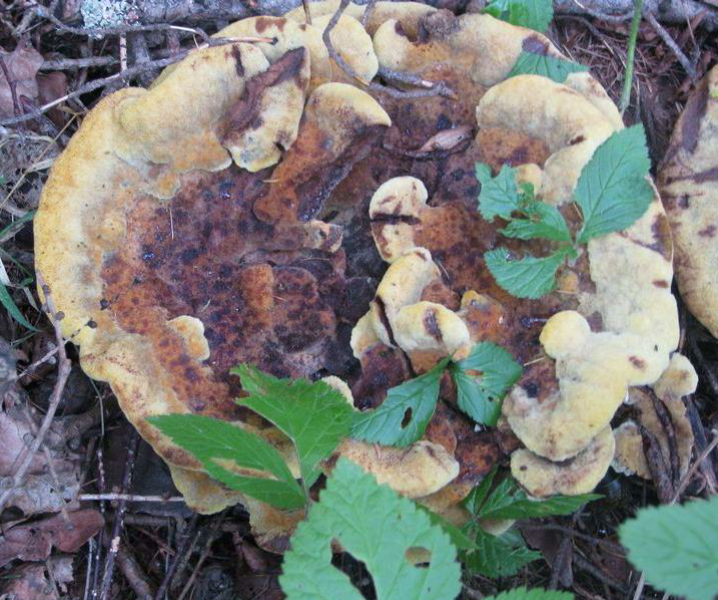
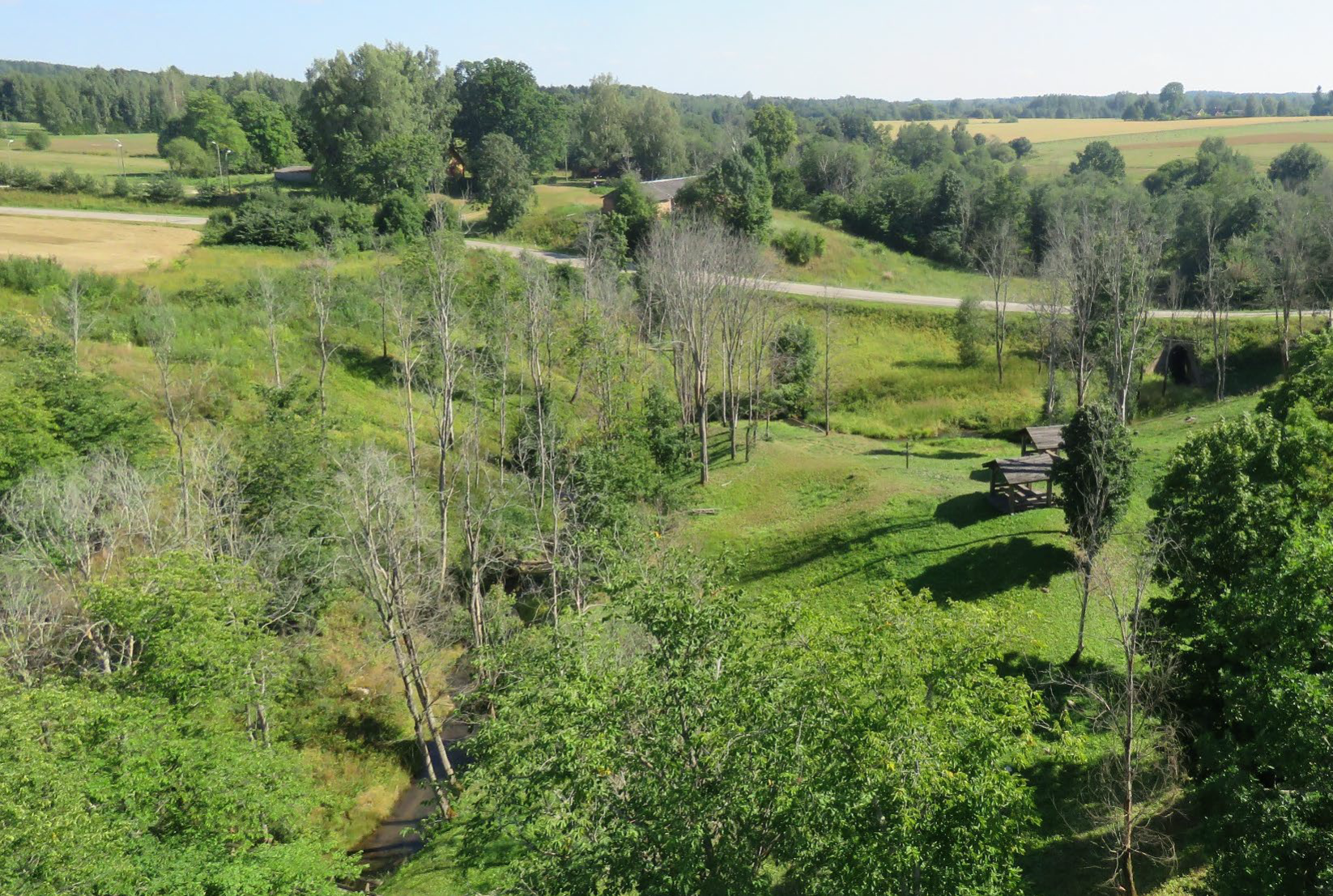
This lecture provides an overview of the most harmful fungal pathogens affecting trees in forests, urban areas, and managed landscapes. It presents their biology, symptoms, host range, and ecological impacts. Participants will learn how these fungi spread, how to recognize early signs of infection, and what management strategies can help reduce damage and prevent further outbreaks.

Note: The original lecture is in Estonian

Keywords: Tree fungi, forest pathology, invasive pathogens, disease symptoms, tree health

This lecture examines the distribution, epidemiology, and damage caused by Dutch elm disease pathogens in Northeastern Europe. It provides an overview of the fungal agents responsible, their transmission pathways, and the ecological conditions that support their spread. The lecture highlights the consequences for native elm populations, urban tree management, and regional biodiversity, while also discussing monitoring efforts and potential mitigation strategies.

Note: The original lecture is in Estonian

Keywords: Dutch elm disease, elm pathogens, Northeastern Europe, forest health, pathogen spread

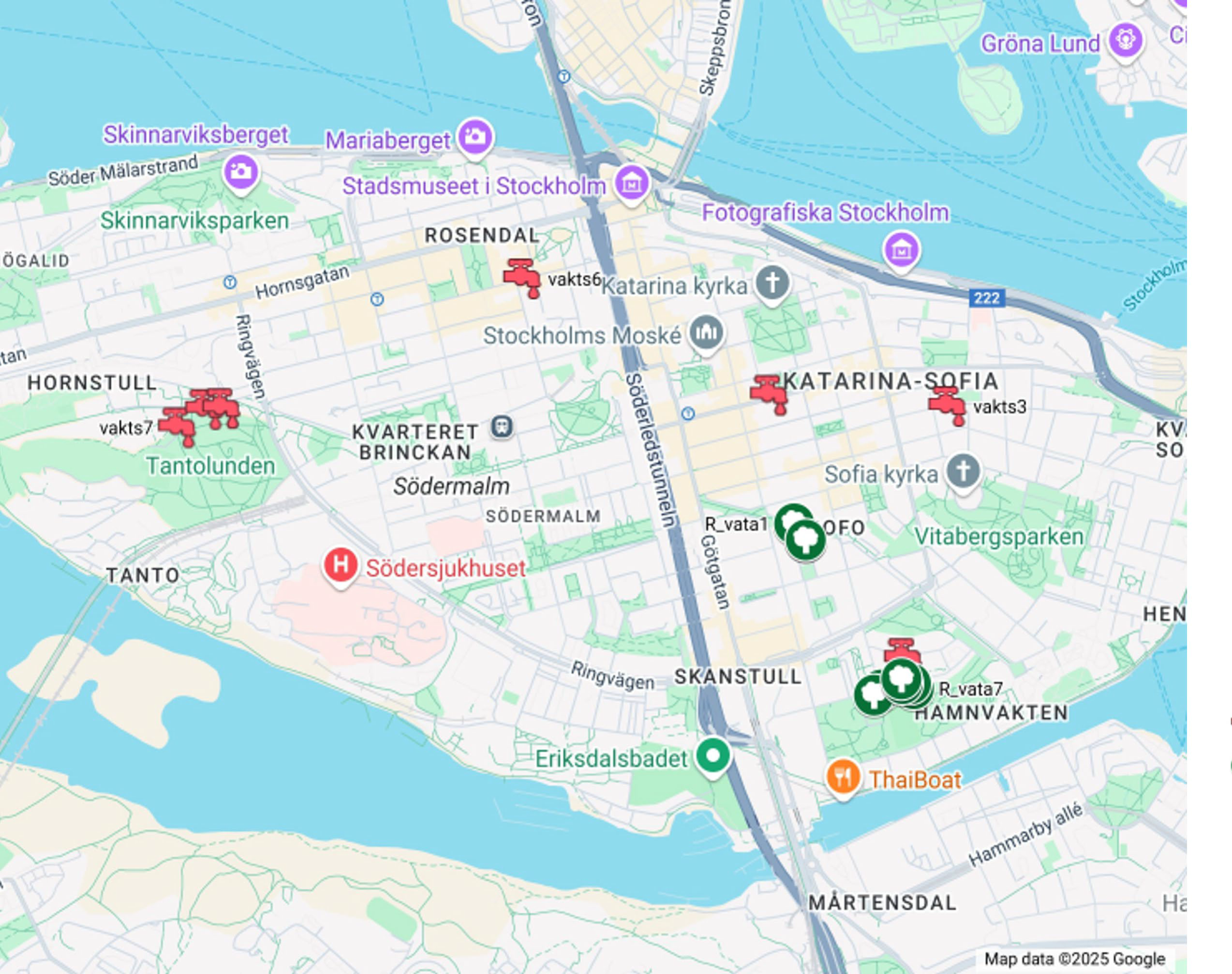
This lecture explores how sentinel plantings serve as an early-warning system for identifying potential pests and pathogens before they reach new regions or hosts. Students will learn how data from sentinel sites can inform risk assessment, support rapid detection of harmful organisms, and provide critical information for initiating targeted tree breeding programs. The lecture highlights species selection, monitoring strategies, and the integration of sentinel observations into long-term improvement efforts aimed at enhancing resistance and ensuring resilient future forests.

Keywords: Sentinel plantings, Early detection, Tree breeding, Biosecurity, Pest and pathogen surveillance
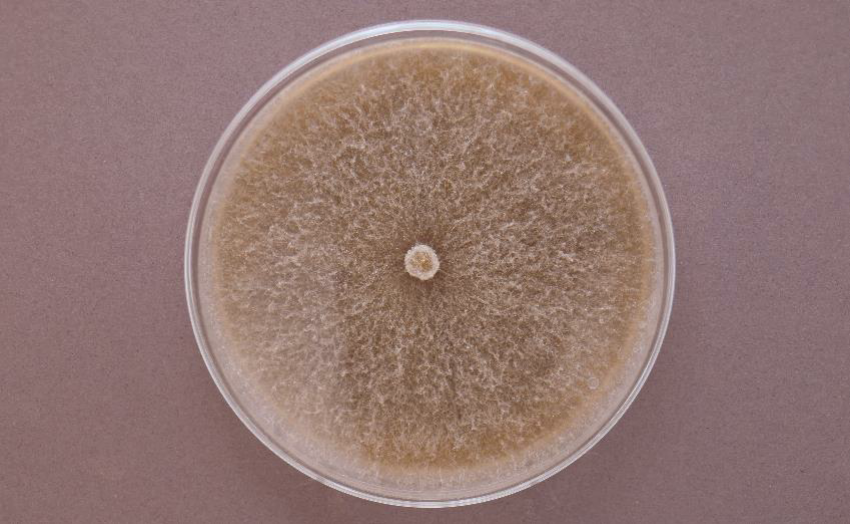
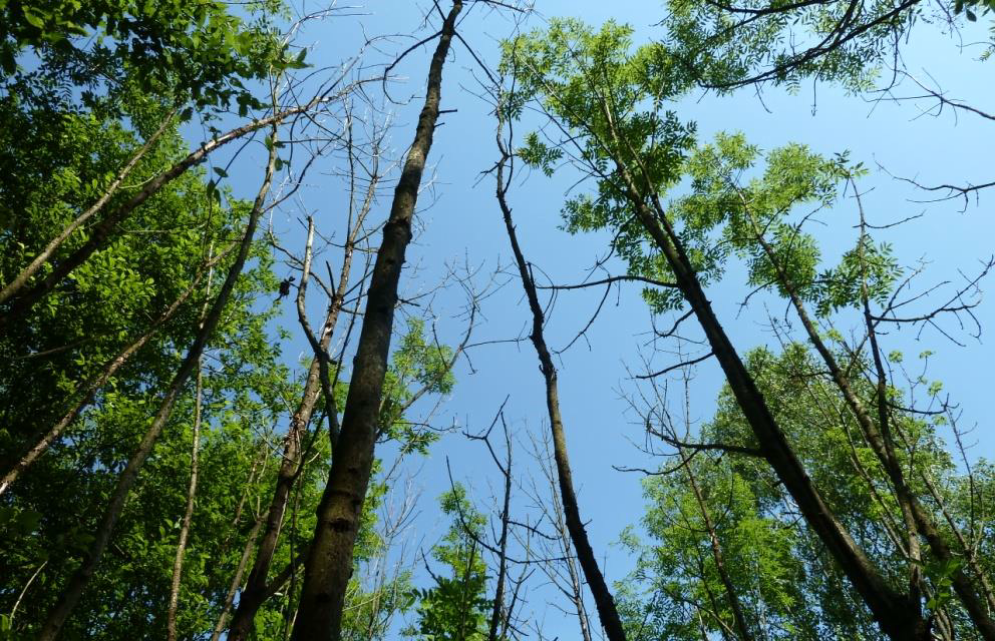
 

This lecture examines two major emerging tree diseases in Europe—Sooty Bark Disease of maple and Canker Stain Disease of plane trees. Students will learn about the biology and epidemiology of the causal agents (Cryptostroma corticale and Ceratocystis platani), their pathways of spread, and the environmental and climatic factors that contribute to their emergence. The lecture highlights key symptoms, diagnostic approaches, and the challenges these pathogens pose for both urban and natural forests. Management strategies and preventive measures are discussed to illustrate how Europe is responding to the rising threat of invasive and climate-driven diseases.

Keywords: Emerging diseases, Sooty Bark Disease, Canker Stain Disease, Cryptostroma corticale, Ceratocystis platani, Forest health, Climate change, Tree pathogens

This lecture provides an overview of ash dieback, a devastating disease caused by the fungus Hymenoscyphus fraxineus, which threatens ash populations across Europe. Students will learn about the pathogen’s biology, infection cycle, and pathways of spread, as well as characteristic symptoms such as leaf wilt, shoot dieback, and stem lesions. The lecture also discusses ecological impacts, host susceptibility, monitoring strategies, and current management approaches aimed at preserving resilient ash populations and maintaining forest ecosystem stability.

Keywords: Ash dieback, Hymenoscyphus fraxineus, Tree health, Forest pathology, Disease spread, Monitoring, Management strategies

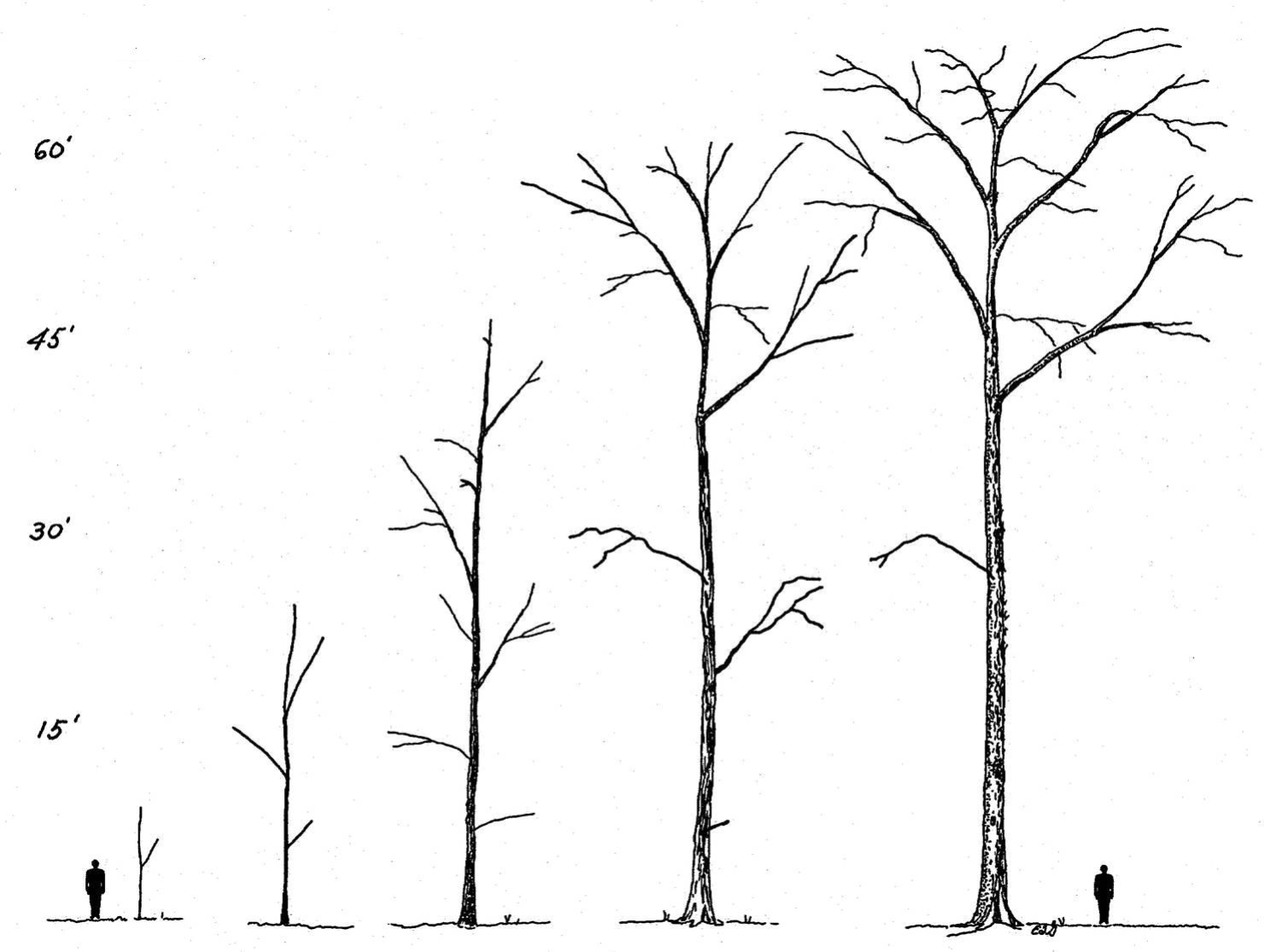
This lecture introduces the structural organization of trees, covering key components such as roots, stems, branches, and leaves. It explores the roles of different tissues, including xylem and phloem, in supporting growth, nutrient transport, and mechanical stability. Understanding tree structure provides the foundation for studying tree physiology, health, and responses to environmental stressors.

Keywords: Tree structure, Roots, Stem, Branches, Xylem, Phloem, Tree anatomy

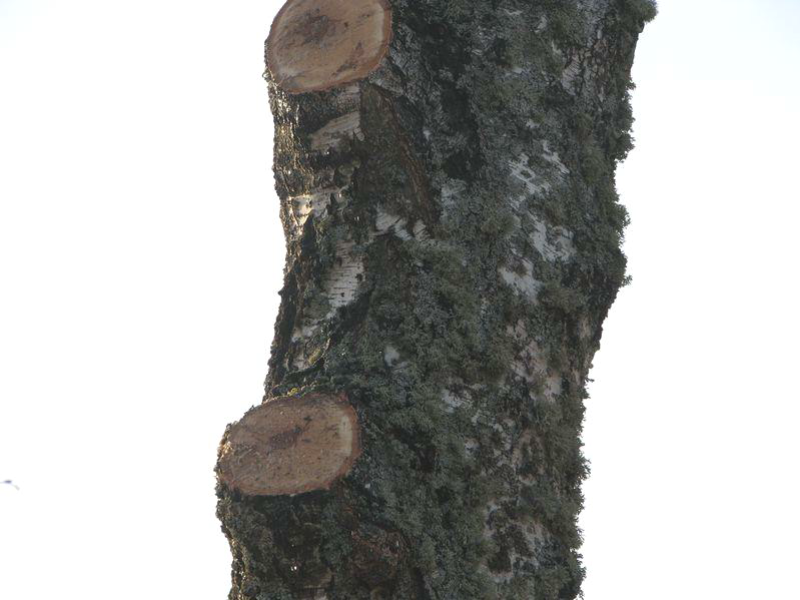
This lecture examines the physiological principles underlying tree growth and development, with a focus on how these processes inform optimal pruning practices. Students will learn how seasonal changes, sap flow, and tissue regeneration affect pruning outcomes, including wound healing and tree health. The session emphasizes the importance of timing pruning interventions to minimize stress, prevent disease, and support sustainable arboricultural practices.

Keywords: Tree physiology, Pruning, Growth cycles, Arboriculture, Tree health


This lecture provides an introduction to the biology and anatomy of trees, covering structural organization, tissue types, and functional systems that support growth, reproduction, and adaptation. Students will learn about roots, stems, leaves, vascular tissues, and secondary growth processes, as well as how tree anatomy relates to physiology, defense mechanisms, and environmental interactions. The lecture lays the foundation for understanding tree health, pathology, and forest management.

Keywords: Tree biology, Tree anatomy, Vascular tissues, Growth processes, Tree physiology

This lecture examines changes in the fungal community associated with Ulmus glabra (wych elm) following vaccination treatments aimed at increasing disease resistance. It explores how vaccination affects the diversity and abundance of both pathogenic and symbiotic fungi in the tree’s tissues. The session highlights implications for tree health, disease management, and ecological interactions, providing insights into how microbiome shifts can influence the resilience of elm populations.

Keywords: Ulmus glabra, Elm vaccination, Fungal community, Tree microbiome, Disease management

This lecture explores innovative strategies for the conservation of threatened elm (Ulmus) species using the holobiont concept, which considers the tree together with its associated microbiome. It highlights how interactions with beneficial microbes can enhance disease resistance, stress tolerance, and overall tree health. The session also discusses practical applications for conservation programs, including microbiome-based interventions and integrated management approaches to support resilient elm populations in urban and forest environments.

Keywords: Elm conservation, Holobiont, Ulmus, Tree microbiome, Disease resistance, Forest resilience