Section outline
-
Urban forest microbiomes are very diverse and abundant, existing in soil, on tree surfaces, and even in the surrounding air and water. A single gram of soil can harbor billions of microbial cells and thousands of taxa, while the phyllosphere (the above-ground parts of the plants) can host even greater number of bacteria than comparably sized ocean or soil (2). This vast microbial diversity is not just a reflection of ecosystem health but a critical driver of ecological balance. These microorganisms stabilize soil structure, enhance nutrient and water absorption through associations like mycorrhizal fungi and nitrogen-fixing bacteria, and form protective associations with tree roots, making them less vulnerable to infection. Similarly, endophytic microbes residing within plant tissues increase tree resistance by producing bioactive compounds and improving tolerance to pollution, soil degradation, and climate-related stressors (2,3,4,5).
However, disruptions to microbial diversity—caused by pollution, urban fragmentation, or invasive species—can have cascading effects on urban forest biosecurity. For instance, disturbed microbial communities may fail to suppress pathogens which can decimate tree populations and destabilize ecosystems. Moreover, the homogenization of urban soil microbiomes, a common consequence of urbanization, reduces their ability to adapt to localized threats, increasing vulnerability to disease outbreaks and invasive species (1,5,6).
The influence of microbiome extends beyond tree health to broader urban ecosystem stability. Microbial activity in soil and phyllosphere significantly shapes urban air microbiomes, which in turn affect the spread of airborne pathogens and public health. Research has shown that diverse vegetation influence microbial richness in the air, potentially mitigating respiratory diseases and other health risks (8,9). As urbanization accelerates, understanding and preserving these vital microbial communities is essential to maintaining the services urban forests provide.
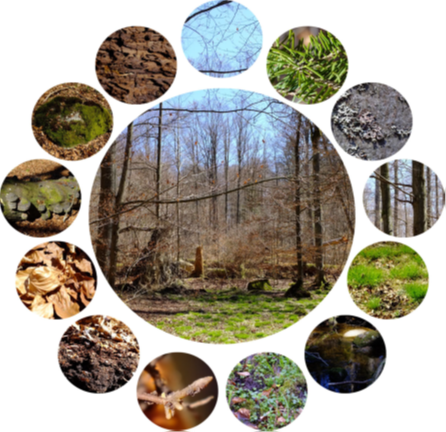
Image 1. The microbiome of forests including urban forests thrives across diverse habitats (10).