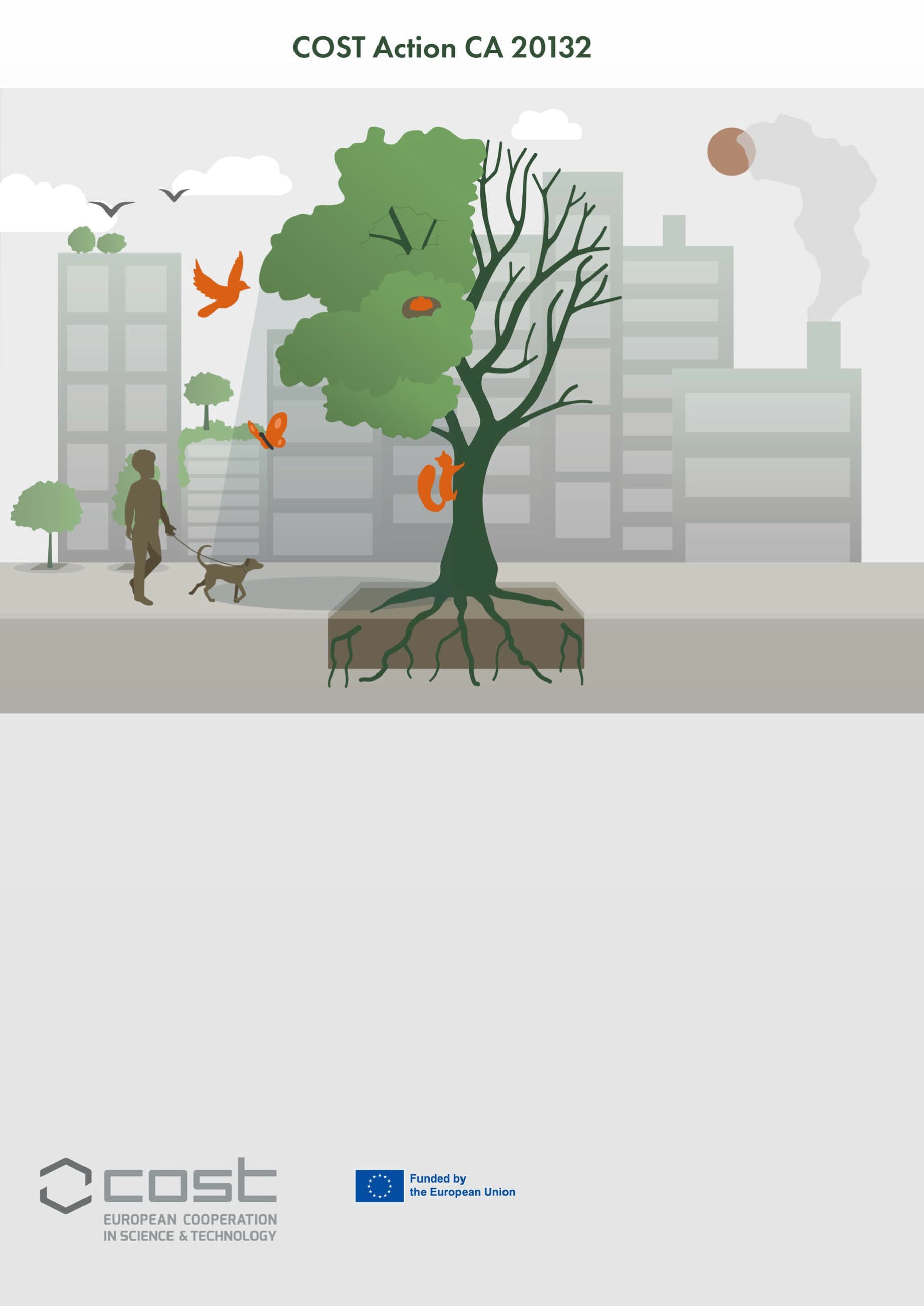
This whitepaper explores the future of biosecurity for urban trees from a One Health perspective, emphasizing the interconnected health of people, plants, animals, and the environment. It examines the increasing threats posed by invasive pests, pathogens, climate change, and urban stressors, and outlines strategies to protect Europe’s urban forests. The document highlights the importance of integrated monitoring, early detection, coordinated policy-making, and sustainable tree management practices. Its aim is to support resilient, healthy urban green spaces that contribute to ecological stability and public well-being across Europe.
Note: The Executive Summary is available in different languages
Keywords: Biosecurity, Urban trees, One Health, Invasive pests, Climate resilience
- Source: Urban Tree Guard
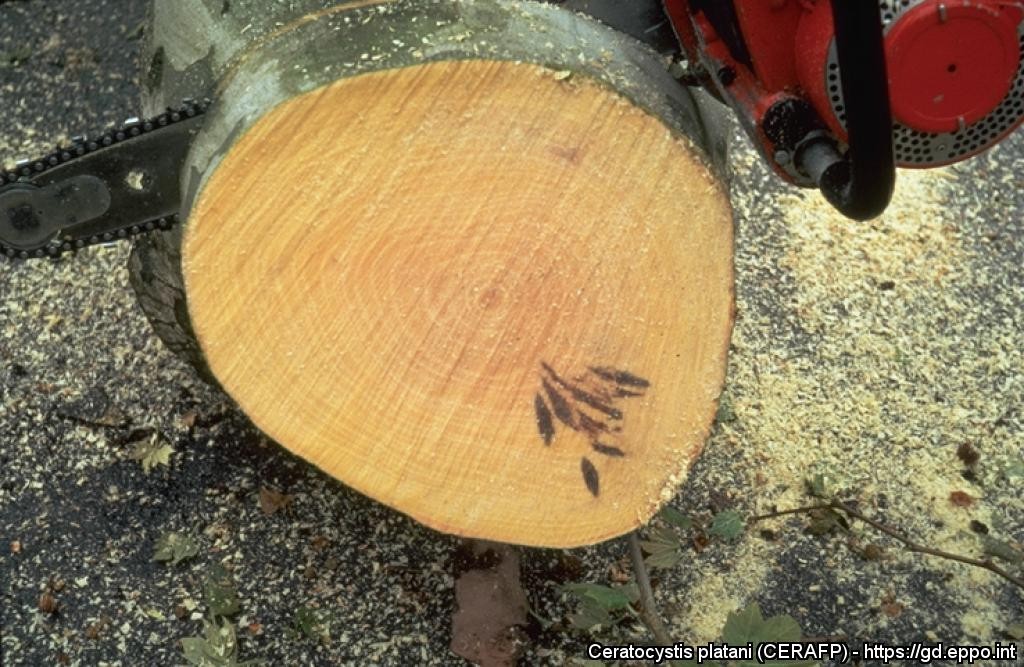
This article presents the biology of Ceratocystis platani, the fungus responsible for canker stain of plane trees, and describes its distribution within the Luberon Regional Natural Park. The pathogen enters the tree exclusively through wounds and then spreads rapidly through the vascular system and ray tissues, killing the host within 1 to 5 years.
Transmission occurs through contaminated tools and machinery, as well as naturally via running water, wind, and root grafts between neighboring plane trees. Infected trees initially show violet-blue streaks on the trunk or large branches, which later turn orange. As the lesion expands, the center dries and darkens, the bark cracks, but the margin remains bluish without forming a healing callus. Above the infection site, the foliage becomes sparse and yellowed before the entire tree eventually dies.
Eleven municipalities within the park have been affected, while five are now considered disease-free. Strict adherence to the prophylactic measures described in the current prefectural decree is essential to protect the region’s plane tree heritage from this quarantine disease.
Note: The original text is in French
Keywords: Canker stain, Ceratocystis platani, Plane trees, Disease spread, Prophylaxis
- Source: Urban Tree Guard
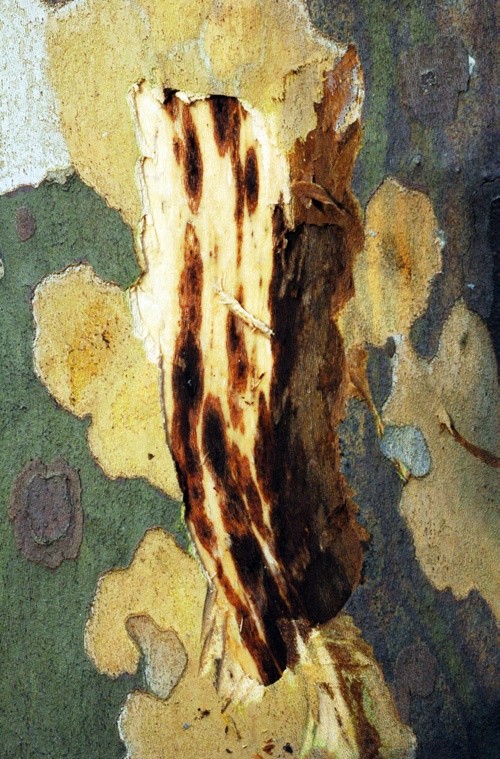
This article examines the persistence of the Ceratocystis fimbriata f. platani pathogen—the causal agent of canker stain of plane trees—in the stumps and root systems of felled trees. Despite more than 30 years of research and control efforts, the disease remains incurable, and prophylactic measures are the only effective way to limit its spread. Among these, eradication of infection centers—removing diseased trees and their immediate neighbors—is essential, although its effectiveness varies depending on implementation.
The study highlights the many remaining uncertainties regarding how the pathogen survives and spreads within infected trees, especially belowground in stumps and roots. Following earlier work on root contamination of neighboring trees, this research focuses on the infectious potential of residual wood material left in the soil, a factor that directly influences the success of eradication and determines the necessary waiting period before replanting plane trees.
Note: The original text is in French
Keywords: Canker stain, Ceratocystis platani, Pathogen persistence, Stumps and roots, Eradication strategies
- Source: Urban Tree Guard